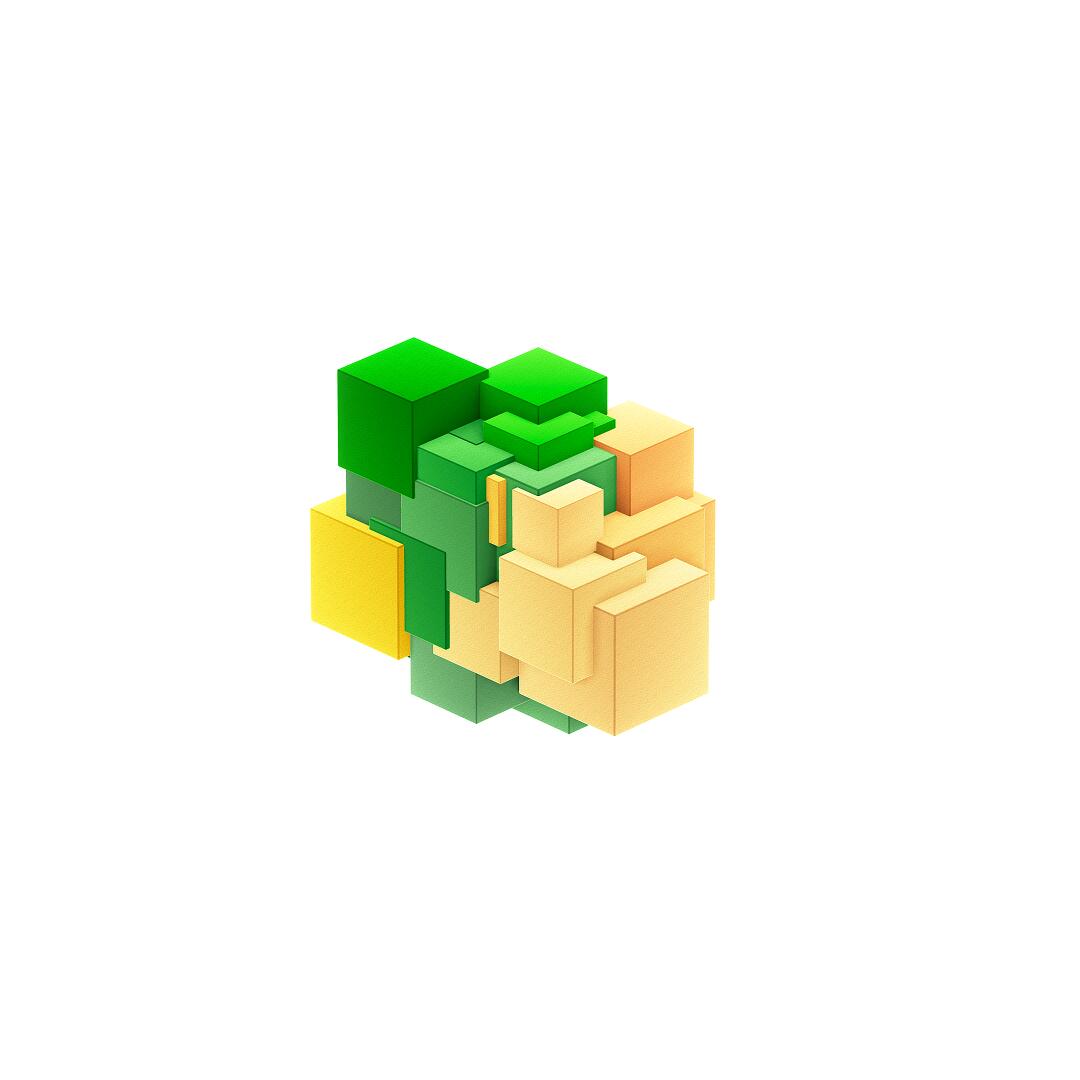
CryptoCubes 1950 by Bard Ionson
CryptoCubes 1950
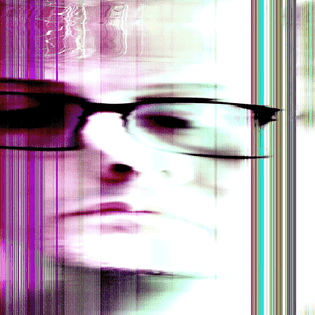
Bio
I began working to create art in 2012 and had my first exhibition in 2014 but it was not until 2018 I was introduced to Cryptoart and creating art for the blockchain. At this same moment I began creating art with artificial intelligence tools. Inspired by Obvious, Mario Klingemann and Robbie Barrat I began working with AI and SuperRare added me to their roster of artists. I was sceptical of crypto at first but then I got that first sale, converted it to USDC and then sent it to my bank just to make sure it really was true. My background is in computer networking and programming. This gave me a solid platform to use technology in creating my art. Since 2018 I have had art exhibited in shows world wide and will soon have a piece in the Bodleian Library collection. My art practice centres on the changes technology brings to the mental and emotional life of humans. There is a distortion of reality as we learn new things and technology. The composition of early human brain’s changed because they found out how to raw meat with fire.
About the Work
My medium is technology but specifically I have worked with oscilloscopes, scanners, VCRs, broken electronics, digital images, videos, generative code art (Art Blocks) and artificial intelligence. My first Ai art was created using my oscilloscope drawings. Oscilloscopes can draw images using x/y coordinates and sound waves. This was trained into a GAN and I created art that was featured on SuperRare. I like the oscilloscope because it has a sound component. With the sound alone you can recreate a version of the visual. Sometimes I even add notes to the sound to make music. Sometimes I collaborate with other artists like Lawrence Lee and use thousands of his paintings to train a model and output new art. I also have a broken scanner that is circuit bent that I used to produce glitch scans of my face. I have also used modified VCRs to create glitch art. Most of my art is digital and is minted on the blockchain. But the piece on its way to the Bodleian Library is a physical piece with an augmented reality layer. I have also produced installation pieces that interact with the blockchain called Soul Scroll and another one in which the code for the generative art is written into the smart contract. (We Are Noise And Form)
About This Piece
CryptoCubes time travel to the past to the birth of the computer. A time when computer art output happened with the oscilloscope. Before digital art there was electronic art where waveforms of sound traced images to the screen. The sound of this art is more than a sound effect. The two channel sound enables an oscilloscope to display these images. Some of the earliest computer artists used the oscilloscope to make art. It was analog at the time and the oscilloscope is more of an analog tool than a digital one. I use a software emulated oscilloscope to capture the visual outputs for the art. I created this by using the files provided to redraw CryptoCube 26 in Blender following the provided files. The object file given to me was too complex for an oscilloscope to render. I redrew each cube with some simplifications. I then took the obj file and used a tool called OsciStudio and animated the shape and worked with its colour changes. Then it is a matter of performing the piece while capturing it with video capture on my computer.
Future
My future includes a group exhibition in Berlin for AI art in July. Then a solo exhibition in Berlin in the fall 2024. I am currently working on taking film photographs of animal bones floating in the sky and training Ai models on them. Accepting the challenge of cryptoart / Web3 in 2018 has changed my life. I had only sold one art print at the time but on SuperRare and then KnownOrigin I was consistently selling my art. Plus getting into exhibitions was free. I had tried multiple times to get into art exhibitions but the entry fees were adding up. The blockchain culture on Ethereum was amazing and launched me into a place where I could see recognition of my art. The future is a little harder as the competition for attention is greater. It is still an excellent place for those who do not have contacts in the art establishment to get noticed. As more people adopt the use of cryptocurrency there will be a larger market for art. I think that all digital art will end up being tracked on a blockchain of some sort. It will become just a normal part of the life of an artist. Despite my anxiety at the rapid change of technology, adopting the blockchain early has taught me that it is better to jump on technology early and try it out. I have made it my practice to explore the emotional and human thinking process that adoption of technology brings through my art.